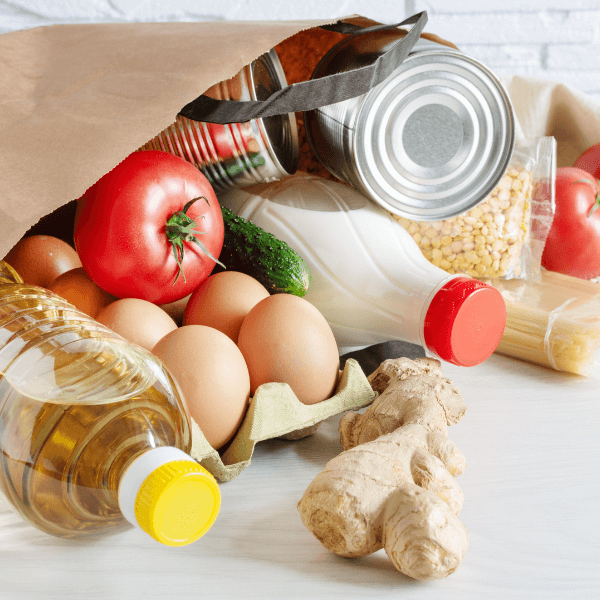
Practical habits that stretch your groceries without sacrificing flavor.
Cooking on a budget does not mean eating boring food or cutting corners that leave you disappointed.
It means making a few smarter choices that stretch what you already buy.
Here is what actually helps.
Start with meals, not recipes
Instead of planning specific dishes, think in flexible meals.
Choose things that can change based on what is on sale or already in your kitchen.
- Bowls
- Soups
- Pastas
- Stir fries
Buy ingredients that do more than one job
The best budget ingredients show up in multiple meals.
Good examples:
- Rice and pasta
- Beans and lentils
- Eggs
- Potatoes
- Cabbage and carrots
Cook once, eat twice
Leftovers are not a failure. They are a strategy.
Repurpose them:
- Roast chicken becomes soup or sandwiches
- Rice becomes fried rice
- Vegetables turn into pasta or grain bowls
Flavor does not have to be expensive
Expensive ingredients do not guarantee better food.
Salt, acid, fat, and heat matter more than specialty items. A simple dish cooked well beats a complicated one done poorly every time.
Shop your pantry first
Before buying anything, check what you already have.
Use your freezer
Your freezer is one of the most powerful budget tools in your kitchen.
Freeze:
- Extra portions
- Bread
- Herbs
- Meat bought on sale