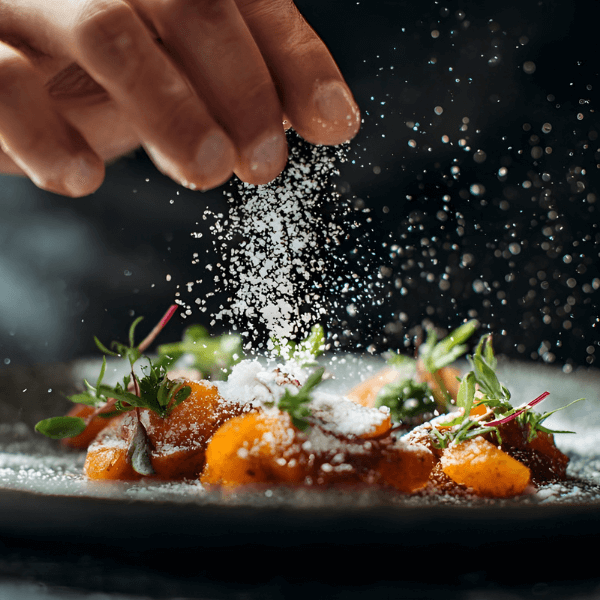
Why balance matters more than using more spices.
Seasoning is one of the hardest things for new cooks to get right.
Not because it is complicated, but because most recipes do not explain what seasoning is actually doing.
Here is the simple truth. Good seasoning is not about using more spices. It is about balance. Once you understand that, flavor becomes much easier.
Salt is the foundation
Salt does not just make food salty. It makes food taste more like itself.
If food tastes flat, it usually needs salt. If it tastes dull or muted, salt is often the missing piece.
Acid wakes food up
Acid makes flavors brighter.
If food tastes heavy or boring, it may need acid instead of more salt.
Try:
- Lemon or lime juice
- Vinegar
- Tomatoes or tomato paste
Fat carries flavor
Fat makes seasoning feel rounded instead of sharp.
If food tastes thin or harsh, a little fat often helps.
Good options include:
- Olive oil
- Butter
- Cream or yogurt
Season at more than one stage
One big seasoning at the end rarely works as well as small adjustments along the way.
Season lightly as you cook, then adjust again at the end. This builds depth without overpowering the dish.
Taste more than you think you should
Recipes cannot taste your food. You can.
Tasting as you cook teaches you how salt, acid, and fat work together. This is how cooking instincts form.
Good seasoning is not about memorizing rules.
It is about paying attention and adjusting. Every time you taste and tweak, you get better at it.