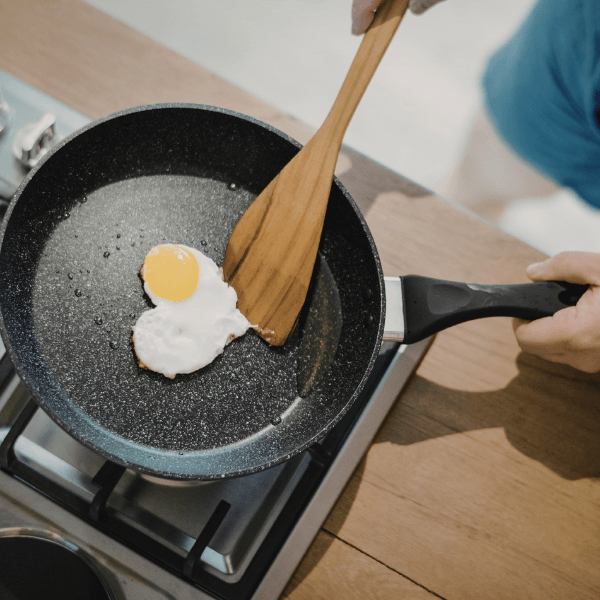
Understanding heat, oil, and timing makes cooking easier.
Food sticking to the pan is one of the most frustrating kitchen problems, especially for new cooks.
It can turn a simple meal into a mess and make cooking feel harder than it should. The good news is that sticking usually happens for very predictable reasons.
Once you understand them, it becomes much easier to avoid.
The pan is not hot enough
One of the most common causes of sticking is adding food too early.
When a pan is properly heated, food releases more easily. When it is too cool, food clings to the surface and tears when you try to move it. Let the pan heat up for a minute or two before adding oil or food.
Oil matters more than you think
Oil creates a barrier between food and the pan.
Add oil after the pan is warm, then swirl it to coat the surface evenly. If the oil immediately shimmers or moves easily, the pan is ready. Dry pans and cold oil both increase sticking.
Do not move food too soon
Many foods naturally release once they have cooked enough on one side.
If you try to flip or stir too early, the food will stick and break apart. When food is ready to move, it usually lifts easily. If it resists, give it more time.
Moisture causes sticking
Wet food sticks more than dry food.
Before cooking, pat proteins like chicken, fish, or tofu dry with a paper towel. This helps create better surface contact and prevents steaming. Dry food browns better and sticks less.
Pan choice makes a difference
Not all pans behave the same way.
- Nonstick pans are forgiving and great for beginners
- Stainless steel pans require proper heat and oil
- Cast iron works well once preheated and seasoned
Food sticking to the pan is not a failure.
It is feedback. Once you learn how heat, oil, and timing work together, cooking becomes smoother and far less stressful.