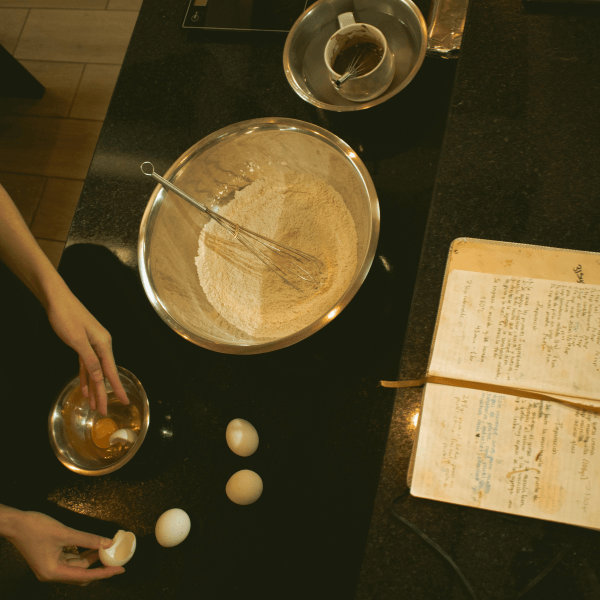
How to keep cooking when a recipe is not perfectly stocked.
One of the most common reasons people abandon a recipe is a missing ingredient.
You start cooking, realize you are out of something, and suddenly the whole meal feels impossible.
Most of the time, it is not. Learning how to work with what you already have is one of the most useful kitchen skills you can build.
First, pause before substituting
Not every ingredient plays the same role.
Before swapping anything, ask:
- Is this for flavor
- Is this for texture
- Is this for structure
Understanding what the ingredient does helps you choose a better substitute.
Flavor ingredients are the easiest to replace
If you are missing something that adds flavor, you usually have options.
Common examples:
- Lemon juice can often be replaced with vinegar
- Fresh herbs can be skipped or replaced with dried
- Garlic can be swapped for garlic powder in small amounts
Flavor substitutions are flexible and forgiving.
Pantry staples that save recipes
Some pantry items solve multiple problems.
Very useful staples include:
- Vinegar
- Oil or butter
- Flour or cornstarch
- Eggs
- Milk or yogurt
These ingredients can adjust flavor, texture, or thickness when something is missing.
Be careful with structural ingredients
Ingredients that affect structure need more caution.
These include:
- Eggs
- Flour
- Leavening like baking powder or baking soda
If one of these is missing, it is usually better to switch recipes rather than force a substitution.
Running out of an ingredient does not mean dinner is ruined.
Most recipes are more flexible than they appear. The more you cook, the easier it becomes to spot when a swap will work and when it will not.